Full Automatic Plant
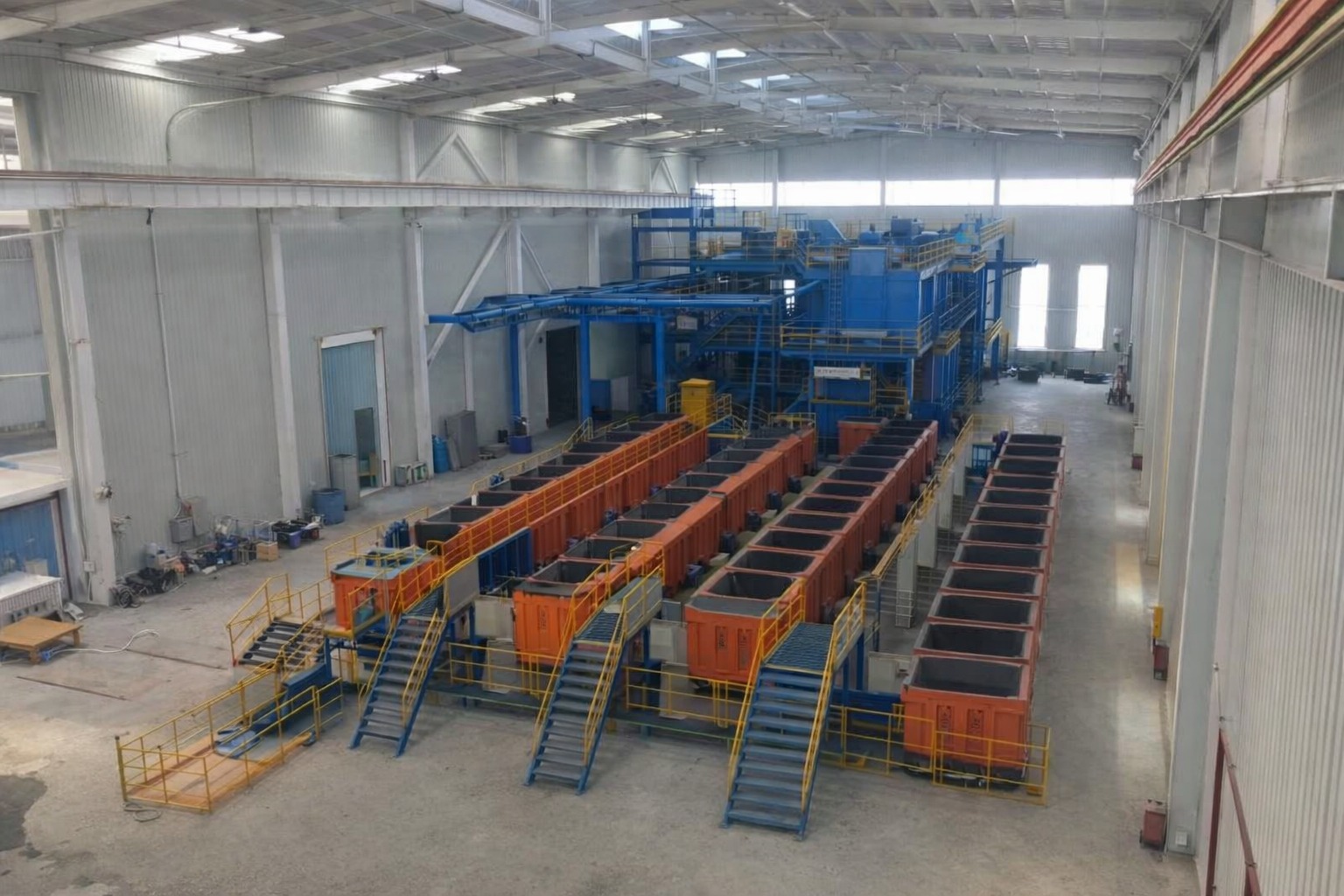
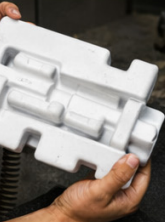
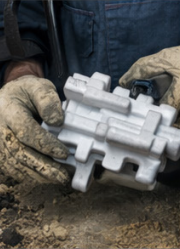
Lost foam casting is an evaporative-pattern casting process that uses foam patterns (typically expanded polystyrene EPS) to create complex metal components.
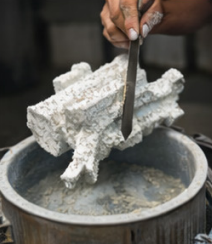
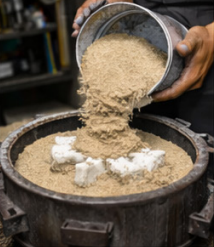
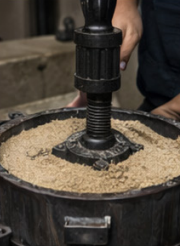
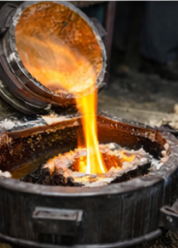
The foam pattern is coated with refractory material, placed in a sand mold, and molten metal is poured in.
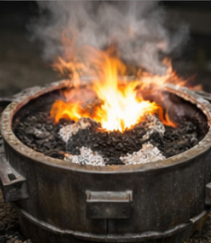
As the metal fills the cavity, the foam evaporates completely, leaving behind a precise metal replica of the original pattern.
8 Step Manufacturing Process

Benefits of Lost Foam Casting
Design Freedom – Enables production of highly intricate shapes that are difficult with conventional casting.
High Precision – Delivers excellent dimensional accuracy and smooth surface finish.
Cost Efficiency – Eliminates cores and reduces machining requirements.
Material Saving – Minimizes waste compared to traditional casting methods.
Versatility – Suitable for ferrous and non-ferrous metals.
Industries We Serve
Automotive – Engine blocks, cylinder heads and manifolds.
Industrial Machinery – Pump housings, valve bodies and intricate assemblies.
General Engineering – Prototype casting, artistic casting and custom parts.
Full Automatic Plant Models
| Model No. | Capacity (Ton/Day) | Require Space (M²) | Power (Kw.) | Plant Height (M.) |
|---|---|---|---|---|
| CFLF1 | 5 | 1020-1360 | 400-520 | 10-12 |
| CFLF2 | 10 | 1650-2200 | 900-1100 | 10-12 |
| CFLF3 | 20 | 2900-3600 | 1800-2100 | 10-12 |
| CFLF4 | 50 | 8600-10700 | 4900-5100 | 10-12 |
Note: In table space and power include whole plant (raw material to finishing).